What Does a Good Week Actually Look Like in Retirement?
No one warns you about the first Tuesday
It catches you unexpectedly. You’ve retired, and at first it feels like you’re on vacation. Then, on the first Tuesday, three months in, you wake up and realize there’s nothing you have to do today, and that feels worse than you expected.
Everyone told you about the freedom. No one mentioned what to do with it.
Ask someone what they want in retirement and you get big answers. Travel. Freedom. Time with family. No alarm clocks. Time to finally do the things I never had time for.
Ask them what their ideal WEEK looks like and most people go quiet. Because they haven’t thought it through.
And I get it. When you’re still working, ‘retirement’ is a destination, not a design challenge. But once you’ve actually retired, that empty week is yours to fill, and nobody’s going to tell you how to fill it. The week is where the ‘freedom’ of being retired either works for you, or it quietly starts to feel like something else.
Who this is for
Anyone in the first two years of retirement, anyone approaching it, and anyone who’s already noticing that more free time isn’t automatically the same as more happiness.
What work gave you that nobody mentions
Here’s the thing about work that nobody really appreciates until it’s gone: it provides structure you didn’t have to create. A reason to get up at a certain time. A built-in social network. A sense of contributing to something. A way of filling your days and getting a sense of accomplishment.
Retirement removes all of that at once. And the gap it leaves is bigger than most people expect.
The mistake most people make is assuming that structure will build itself. That they’ll naturally fall into a new rhythm. Sometimes that happens. Often it doesn’t. And the longer you go without it, the harder it becomes to build.
When it’s missing, it often looks like boredom, or a vague sense of restlessness. A feeling that the days are long but somehow not satisfying. Watching more TV than you want to. Eating or drinking more than you should. Those signals are worth listening to. They tell you what’s missing.
So what does a good week look like instead? A regular, sustainable week, which is a different thing from a vacation week or a busy one.
The four things a good week needs
After talking to people who’ve handled retirement well, and drawing on my own experience, I’ve come to think that a good retirement week needs four things in roughly the right proportion. Not equally, since the mix varies by person, but all four need to show up somewhere.
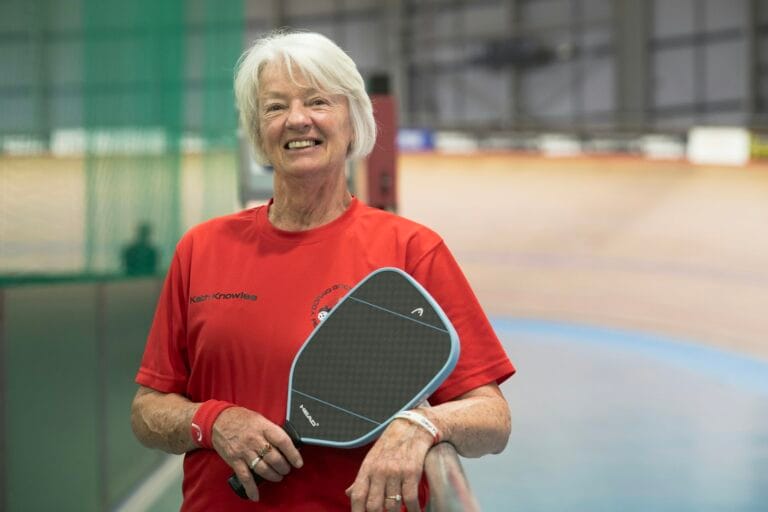
Physical activity. I mean deliberate activity that you do most days. Training for a marathon might not be your thing, but walking, cycling, swimming, hiking, golf, pickleball or whatever strikes your fancy is necessary. Whatever it is for you, physical activity is the closest thing I’ve found to a non-negotiable for feeling good in retirement. It manages energy, improves sleep, and gives structure to your mornings in a way that’s hard to replicate any other way. And as we age, it’s imperative for making us feel better and keeping us active until later in life.
Social connection. This one is often overlooked. Work provided daily social contact you didn’t have to arrange. Retirement doesn’t. Most retired people are surprised by how much they miss it. It doesn’t have to mean a packed social calendar. It means having a few regular connections with people you actually like to hang out with. A weekly walk with a friend. A regular volunteer shift. A class you attend. Dinner with neighbours. Whatever works for you, but it needs to be regular, not occasional.
Something that engages your mind. Leisure is wonderful, but it’s not enough on its own for most people. A good week has something that requires you to think, learn, create, or solve. A language you’re learning. A project you’re working on. A book you’re reading or writing. A cause you’re contributing to. This is the element that most often goes missing in the early months of retirement, and its absence is often what creates that vague ‘something’s missing’ feeling.
Unstructured time you actually enjoy. ‘Free time’ and ‘enjoyable unstructured time’ are not the same thing. Good free time is time you choose. A slow morning with coffee, hanging out with your partner or reading a book, a walk with no particular destination, an afternoon in the garden. It’s relaxing and makes you feel good. Unstructured time that is restlessness in disguise, scrolling your phone, watching TV that bores you, waiting for the day to be over, is different. That’s an indication that the first three need more attention.
If you want the bigger picture on purpose, with Canadian numbers on volunteering and learning, I wrote about it in your sense of purpose after retirement.
What this might look like in practice
Here’s one version of a good week. It’s not a prescription, just a way to make the abstract concrete.
- Monday: a morning walk (60 min), errands and admin, read in the afternoon
- Tuesday: a volunteer shift or regular commitment in the morning, relaxed afternoon at home
- Wednesday: a day trip or a longer outing. Somewhere interesting, a hike, a visit to a neighbouring community.
- Thursday: morning exercise class or golf, lunch with a friend or partner, creative or project time in the afternoon
- Friday: flexible. It could be active or it could be slow, and it’s often a good day for something spontaneous.
- Weekend: a mix of social and family time, and one enjoyable do-nothing type of day
That’s a sustainable rhythm with movement, connection, stimulation and rest built in, and it isn’t packed. And the beauty of retirement is that you can adjust it. You can move things around. You can make a whole week about one thing when the opportunity arises.
If you’re travelling
A good week on an extended trip follows the same logic. You need movement, social contact (even brief connections with locals matter), mental engagement (new places provide this naturally), and proper rest built in.
The slow travel approach I advocate for is partly built around this. When you’re based in one place for a week or two, you can build a weekly rhythm rather than just reacting to whatever the next city on the list demands of you. You get novelty from being somewhere new, plus a routine that supports you. And great trips need a good home base to return to.
The mistakes people make
- Treating retirement as the absence of work rather than the presence of something else.
- Relying entirely on leisure for meaning. Golf and gardening are wonderful, but they’re not usually enough on their own for people who were engaged and purposeful in their working lives.
- Waiting for the ‘right feeling’ before building a routine. The feeling often follows the structure, not the other way around.
- Isolating socially. Work provided daily human contact that takes real effort to replace.
- Over-scheduling the first year in a burst of activity and burning out. Busyness is not the same as satisfaction, and ‘I’ll travel constantly’ is not a sustainable retirement plan.
- Treating rest as ‘wasted time’ rather than as something that makes everything else possible.
Try this
- Write out your current or ideal week with rough time blocks. Not minute by minute, but morning, afternoon, evening.
- Look at where physical activity, social connection, mental engagement and rest appear, and where they’re missing.
- Find at least one regular weekly commitment that gets you out of the house and around other people. The specific activity matters less than the consistency.
- If you’re planning an extended trip, apply the same thinking to your time at each base: not just the activities, but the rhythm.
One optional next step
Take 20 minutes and design your ideal week on paper. Not a fantasy week or a vacation week, but a real, repeatable week you could sustain for months. Plan the whole day, each day. What’s in it? What’s missing? If you struggle to fill it with things you’re excited about, that’s useful to know. Start from there.
Enjoying this? Get more like it.
Join the list for practical trip planning and retirement-lifestyle ideas, straight from Rob.