The Small Things That Quietly Ruin a Trip (And How to Catch Them Early)
It’s never the big disasters
It’s rarely the big disasters that wreck an extended trip. Flights get cancelled, luggage gets delayed, plans fall apart, and most seasoned travellers handle these things without too much drama. They suck, but you adapt. You solve it. You get over it, and you move on.
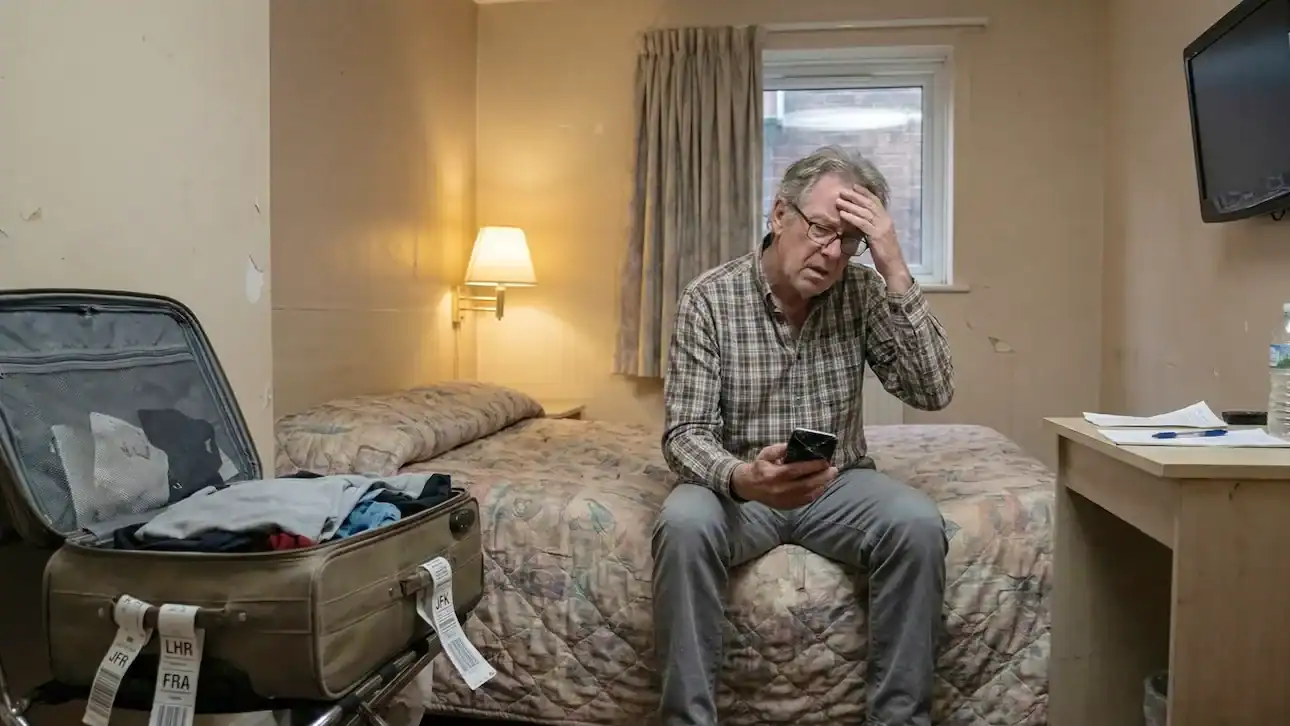
What grinds people down is the accumulation of small things. The apartment on the fourth floor with no elevator. The mattress that’s two inches too soft. The street market that sets up at 5am directly below your window every Tuesday, Thursday, and Saturday. The shower that only gets warm if you run it for seven minutes first.
None of these things are catastrophic on their own. But after two weeks, they are EXHAUSTING. And the frustrating part is that most of them are predictable and preventable, if you know what to look for.
Who this is for
Anyone planning an extended trip of two weeks or more, especially if you’re renting an apartment rather than staying in hotels. The longer the stay, the more the small stuff matters.
Why it matters
A bad hotel room for one night is a story you tell later. A bad apartment for three weeks is a trip you spend trying to cope with rather than actually enjoy. Knowing what to check, and when, can completely change the quality of an extended stay. Otherwise you may be tempted to cut your losses, leave, and find a better place. At a cost usually, and certainly not without hassle.
The usual suspects
Over a lot of extended travel, I’ve noticed the same categories of small problem come up again and again. Here’s what to watch for.
In the accommodation itself:
- Stairs and accessibility. Always confirm whether there’s an elevator. Don’t assume. If the listing says ‘third floor,’ ask directly: is there an elevator, and does it reach that floor? This is non-negotiable for some travellers and worth verifying for everyone.
- Noise. What’s outside the window matters enormously. Street-facing in a lively neighbourhood sounds romantic until you’re trying to sleep. Ask specifically about noise at night, and whether there’s a market, bar, or busy road nearby.
- Mattress quality. This sounds minor until you’ve spent two weeks sleeping badly. Read reviews for specific mentions of the bed. If nothing comes up, message the host: ‘Is the mattress firm or soft? Has it been replaced recently?’
- Mustiness. Ask if there have been any moisture or mould problems in the suite or in the building. Ask for a higher floor. Read reviews. Flag any concerns or bad feelings you get. There’s nothing worse than staying in a dank, damp, or bad-smelling place.
- Kitchen equipment. For longer stays, you’ll cook. Check that the kitchen has more than one burner and that the oven actually works. ‘Fully equipped kitchen’ means very different things to different hosts.
- Wifi reliability. If you work remotely, check with the host. If you don’t, still check. Unreliable wifi affects everything from navigation to video calls home.
Climate and timing:
- Humidity. Many travellers who say they ‘don’t mind heat’ actually mean dry heat. Humidity is a completely different thing, and it affects stamina, sleep quality, and general comfort in ways that compound over time.
- Shoulder season risks. The shoulder season is often the best time to travel, but ‘low season’ exists for a reason. Check the actual weather patterns for your specific weeks, not just the month.
- Festival and event weeks. These can be wonderful or overwhelming depending on your preferences. Either way, they affect accommodation prices, crowd levels, and noise. Know before you go.
Logistics:
- Grocery access. For longer stays, being within easy walking distance of a good market or supermarket is a real quality-of-life issue. Check this specifically, not just ‘nearby amenities.’
- Local transport. Can you get around without renting a car? Is there reliable public transit, or will you be dependent on taxis and rideshares for everything? What does that cost over three weeks?
- Language barrier friction. Not a deal-breaker, but worth knowing about. In some destinations, navigating pharmacies, markets, and service providers in a language you don’t speak is tiring over an extended stay.
The mistakes people make
- Reading only the overall star rating. You need to read the actual text of reviews, especially any critical ones.
- Booking without messaging the host. A short direct conversation catches most of these issues before you commit.
- Assuming ‘no reviews mention it, so it must be fine’. The absence of a complaint isn’t a guarantee. Ask specifically.
- Not checking weather data for your exact travel weeks. Monthly averages smooth out variability that matters a lot on the ground.
Try this
- Read the lowest-rated reviews first. because that’s where you’ll find the irritants and complications other guests experienced.
- Search the reviews for the words ‘noise,’ ‘stairs,’ ‘elevator,’ ‘wifi,’ and ‘mattress’ specifically. These catch the most common issues.
- Message every shortlisted host with three specific questions: noise levels at night, elevator and stair access, and wifi reliability. Then see how they respond.
- For climate concerns, use WeatherSpark.com for your specific destination and travel dates. It gives you historical averages broken down by day, not just month.
- Check Google Maps for the apartment’s immediate surroundings. Satellite view plus Street View together give you a good sense of what’s outside.
One optional next step
Take the accommodation you’re currently considering, or your last booking, and spend 10 minutes going through the reviews looking specifically for noise, access, and sleep quality. What comes up? What’s missing? Would it change your booking decision?
Enjoying this? Get more like it.
Join the list for practical trip planning and retirement-lifestyle ideas, straight from Rob.