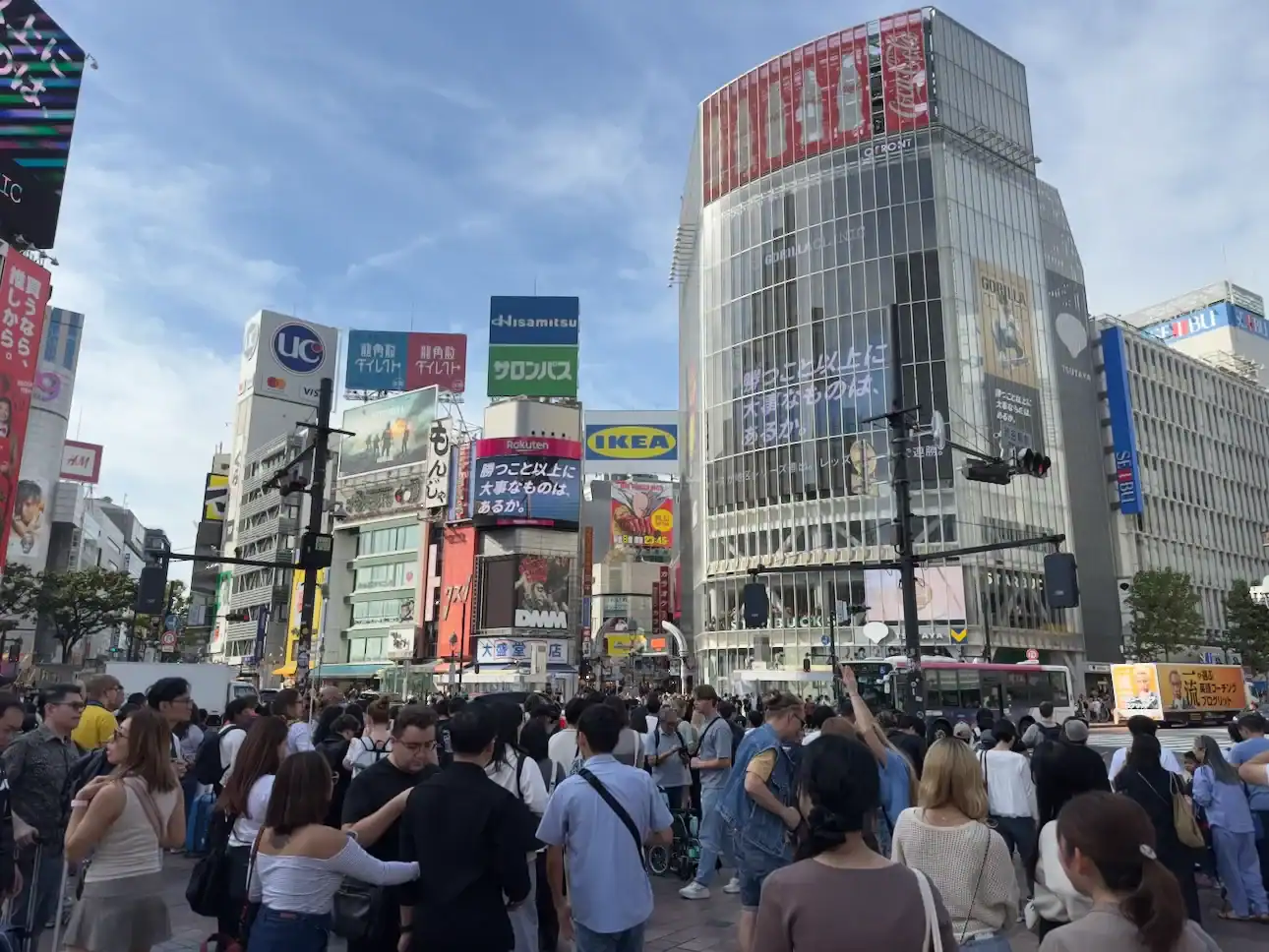
Why I Stopped Trying to See Everything and Started Enjoying Where I Was
The tired kind of holiday
There’s a particular kind of exhaustion that only travellers know. You come home from two weeks vacation, and yet you need a few days to recover. You ticked all your boxes. You saw all the famous things. You’ve got hundreds of photos. And somewhere in the back of your mind, there’s this quiet little voice saying: that was so busy, did I really enjoy that?
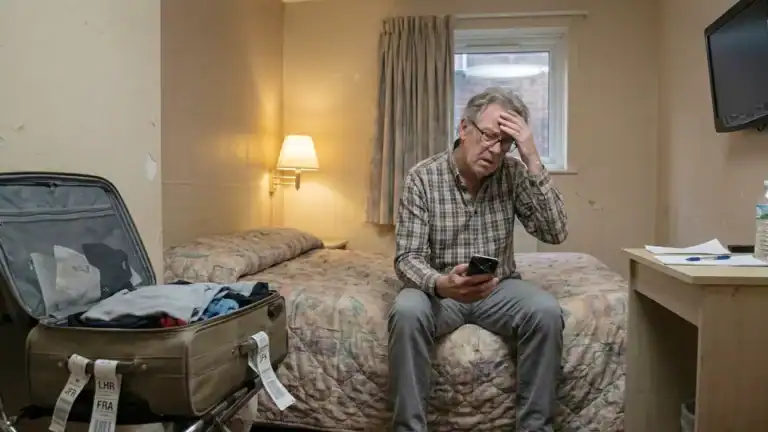
I’ve been there more than once. Racing between places, spending an average of one and a half nights in each place, eating at restaurants I’d pre-researched rather than ones I found for myself, and literally living out of my suitcase instead of packing and unpacking at my leisure. I thought I was travelling well. I was wrong.
This article is about what changed, and what I’d encourage you to seriously consider before you plan your next extended trip.
Who this is for
If you’ve ever come home from a trip feeling more tired than when you left, this one’s for you. And if you’re in retirement, or heading into it, with a list of countries you want to see, I’d especially ask you to read this carefully before you start booking.
Why it matters
The difference between a trip you recover from and a trip that actually changes you is almost always pace. And pace is something most people don’t think about until they’re already on the road and starting to feel it.
The trap we all fall into
Here’s how it usually goes. You’ve got a trip to, say, Italy. Three weeks. And the list starts growing. Rome, of course. Then Florence. You can’t go all that way and miss Venice. And what about Naples or the Amalfi Coast? And didn’t someone mention Cinque Terre?
Before you know it, you’ve got eight destinations in 21 days and you’re moving every two or three nights. That’s not slow travel. That’s a logistics operation with a scenic backdrop.
Now, I’m not saying there’s anything wrong with that style of travel, especially when you’re younger and have the stamina for it and limited time away. But here’s what I’ve noticed as I’ve gotten older and started doing longer trips: the places I remember MOST vividly are almost never the ones I rushed through. They’re the ones I stayed in long enough to find my favourite coffee shop, to learn which market had the best items, to actually talk to a local for more than five minutes.
What slowing down actually looks like
Slow travel, and specifically the hub-and-spoke model I now plan around, means choosing two or three bases for a longer trip and staying at each one for a meaningful stretch of time. Seven nights minimum. Two weeks is better. Sometimes more.
From each base, you expand outwards on day trips. You explore the surrounding region. You come back in the evening to your own space, your own kitchen (if you’ve rented an apartment), your own way of settling in.
What you give up: variety. You won’t see eight cities. You’ll see two or three.
What you gain: everything else. You relax and learn the neighbourhood. You stop feeling like a tourist and start feeling like someone who actually lives there for a while. And THAT is a completely different experience, one that tends to stick with you.
The mistakes people make
- Moving every 2 to 3 nights. You never settle, you just exist in transit mode.
- Treating a trip like a checklist, ticking attractions rather than absorbing places.
- Over-scheduling every day, which leaves no room for the unexpected, and the unexpected is often the best part.
- Confusing ‘seeing’ with ‘experiencing’. A two-hour visit to a famous site is not two days in the region around it.
- Planning the trip for the photos rather than for yourself. What looks impressive on Instagram is not always what makes for a great two weeks.
What to do instead
Before you start booking anything, ask yourself one question: what kind of traveller do I actually want to be on THIS trip?
If you want to cover ground and see many things, great. Plan accordingly, know what you’re signing up for, and build in recovery time.
But if what you actually want is to feel connected to a place, to feel like you’ve been somewhere rather than merely passed through, then slow down. Dramatically.
Try this
- Choose your destination region first, then pick 2 or 3 bases within it rather than starting with a list of cities.
- Set a minimum stay of 7 nights at each base. 10 to 14 is even better for really settling in.
- Leave at least 3 or 4 days at each base completely unscheduled and let those fill themselves.
- Research day trips from each base so you still get variety without moving your suitcase every few days.
- Rent an apartment rather than booking hotels. Having a kitchen, a living room, and a bit of routine changes everything.
One optional next step
Pull out your last trip itinerary, or the one you’re currently planning. Count how many nights you’re spending in each location. If the average is under five, that’s worth reconsidering. Where could you slow down?
Enjoying this? Get more like it.
Join the list for practical trip planning and retirement-lifestyle ideas, straight from Rob.